Middle East Studies in Our Local Community

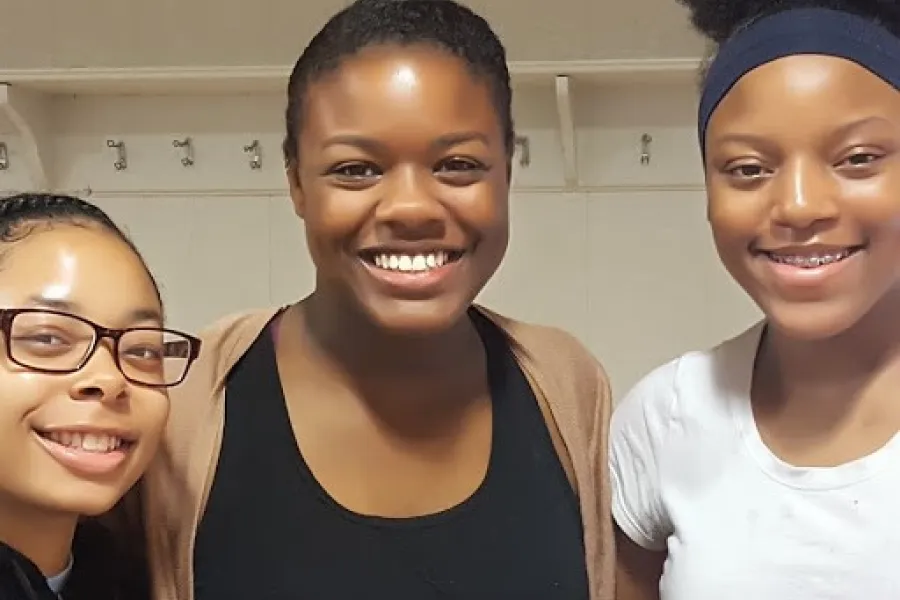
What is Seeds of Middle Eastern Culture?
Seeds of Middle Eastern Culture connects food traditions, workforce development, and youth engagement. Middle Eastern foodways offer a tangible, culturally rich way to build culinary skills, develop intercultural awareness, and open-mindedness towards the diverse communities, ingredients, traditions, and food systems students in the program encounter. The goal is to help teens see themselves in vibrant careers connected to food.
The Vision
The program envisions young people thriving as culturally aware food systems citizens—celebrating their own culture, honoring the traditions of others, and helping shape a vibrant local food system and culturally rich culinary landscape.
The Mission
As part of All THAT — Teens Hopeful About Tomorrow, Seeds of Middle Eastern Culture supports teen success by using foodways as a means to develop academic achievement, life skills, workforce development, and intercultural awareness. Through storytelling, hands-on learning, shared meals, gardening, cooking, and intergenerational dialogue, the program helps students become cultural ambassadors—one meal, one story, and one relationship at a time.
The program develops the whole student as they explore the Middle East through plants, ingredients, meals, hospitality traditions, migration histories, religious practices, and cultural values they can touch, taste, prepare, compare, and discuss. Rather than presenting the region as distant or abstract, the program makes Middle East Studies experiential and relevant to students’ lives, families, communities, and future careers.
The program strengthens students’ understanding of food systems and the roles people play within them. By learning from urban farmers, food security professionals, food business owners, educators, cultural organizations, and local community members, students gain practical knowledge about sourcing, growing, preparing, serving, and valuing food. These experiences connect culinary arts to agriculture, health, entrepreneurship, hospitality, culture, and civic responsibility.
- 10 learning sessions with the culinary track students in Year 1
- 150 attendees at International Gratitude Night
- 105 students served per year, ages 13-19
What are Foodways and Why Do They Matter?
What Are Foodways?
Foodways are the practices and cultural traditions related to sourcing, preparing, and creating food for the purpose of mealtime, situated within a culture or a confluence of cultures. We emphasize food sources, the ways in which culture shapes food and vice versa, and the people involved in our food systems. Seeds of Middle Eastern Culture makes foodways an entry point into culture by focusing on Middle Eastern culinary practices and raising awareness about the plants that hold unique meaning in the region. While the foodways practices are translated into culinary skills, their cultural background can remain obscured or can become taken-for-granted. As students become aware of culture, they connect to their own cultural backgrounds. This is a key part of developing intercultural awareness and a sense of pride in one's own unique cultural affiliation or combination of affiliations.
Food Sourcing
Sourcing the highest quality, most culturally relevant ingredients often requires knowledge of farming and gardening. Yet agricultural knowledge, a key to addressing food insecurity, is becoming less and less widespread, especially with regard to traditional knowledge. As of the 2022 Census of Agriculture, the average age of a farmer in the U.S. is 58 years. Seeds of Middle Eastern Culture aims to inspire young people to garden as part of their foodways repertoire through hands-on experiences and to demonstrate that illustrate how people play critical roles in food systems at a local scale. Our program connects young people directly to farming and food business activities.
Food Sovereignty
A core value of the program is food sovereignty and the right of individuals and communities to create and sustain nutritious and culturally suitable food sources, and to shape their own food and agricultural systems. We believe local communities can and should play a central role in food production and policy-making that address food insecurity while ensuring the availability of culturally significant produce and ingredients.
Background
Seeds of Middle Eastern Culture is a youth education program supporting the vital role of foodways and culturally relevant plants in our kitchens, gardens, daily life, and food systems. The purpose of the program is to create cultural ambassadors and active builders of local agri-cultural systems by growing plants, using them in the kitchen, and sharing meals and culture in community. Delivered in partnership with All THAT – Teens Hopeful About Tomorrow, the project activates youth leadership to strengthen local food sovereignty and sustain cultural heritage. We make the experiences tangible, relevant to their experience, and something they will carry into the future for success in life and career.
All THAT is a Columbus City Schools serving after-school program that targets teens at schools with graduation rates as low as 75% — All THAT's own participants graduate at a 90% rate. SEMC delivers hands-on foodways/gardening curriculum through their Hospitality and Culinary Arts and STEAM tracks and International Club and enrichment activities for all the teens in the program. All THAT and Seeds of Middle Eastern Culture consider teen development from three angles: life skills, academic skills, and workforce development skills.
The program addresses our local food security issues directly by serving a food-insecure neighborhood, and more generally the need for genuine input from stakeholders and change makers in our local food system. We connect cultural perspectives based in the Middle East with creative activities facilitated by local farmers, food business owners, professors, and other leaders in food systems change, integrating Middle Eastern cultural associations, culturally relevant crops, and food businesses owned by new Americans in Columbus to make our program unique.
Each learning activity in the program is grounded in the belief that the liberal arts, intercultural learning, personal development and leadership skills benefits all young people. Our foodways curriculum offers a humanistic and practical model for developing literacy, academic skills, critical thinking, self-awareness, and respect for cultural difference. We use the "Menu Invisibles" framework and an intentional learning approach to make those hidden layers explicit: what appears on one plate is the visible layer; geography, climate, migration, religion, labor, memory, and values are the invisible ones. Students delve into one or more of the "invisibles" in connection to our learning objectives, and in ways that reinforce All THAT's values of celebrating wins, showing respect, having integrity, and making relationships a priority.
Using culturally relevant pedagogy, the program affirms students’ own cultural heritage while inviting them to explore the food traditions, histories, and worldviews of others. Its goal is to equip young people holistically for success in school, work, community life, and a culturally diverse world.
We welcome input and collaboration from anyone committed to supporting young people who resonates with our mission, especially other young people and changemakers who are doing complimentary work. Likewise we need experienced professionals committed to passing down their knowledge of food, culture and gardening. The project drew inspiration from conversations with urban farmers, teachers and food security professionals who saw a need for more young people who value both agriculture and heritage. Considering that the average American farmer currently 58 years old, their concerns take on added urgency.
Our Model — tested and transferable to other youth-centered food-security programs.
1. Build long-term relationship with a youth-serving partner
Relationship building is a collaborative, iterative, embodied, and values-based process. In the case of SEMC food, conversation, cultural respect, and ongoing shared work were tangible focal points that gave the activities a shared purpose, another key to forming a vibrant relationship. Ti build this kind of relationship it’s most important, not to draft a strategic plan, but to start showing up, engaging with the teachers, students and administrators of the program. Get to know how they do things by participating in them. Attend any meetings or public facing events, offer an activity to support their learning objectives and program objectives, and be ready to keep delivering if the activities are successful. The process depends on consistently showing up, conversations with the teens and their families, and responding to what partners and participants care about.
Curriculum is co-created around community needs and focuses on the tangible and experiential. The SEMC curriculum developed from community input, including farmers, foodways educators, nutrition experts, culinary professionals, and Middle East studies specialists and made All THAT curriculum and program goals top priorities. Learning from multiple perspectives is key to creating rigorous, relevant, and effective interdisciplinary curriculum.
Pedagogy is culturally responsive and sensitive to student needs. Activities are adapted in real time to the students’ interests, prior knowledge, cultural backgrounds, and life circumstances. Relationship-building happens through planting, cooking, tasting, eating together, storytelling, family memories, guest demonstrations, and site visits. Learning happens when the students feel accepted and a sense of belonging because it gives them the freedom to speak their mind, try new experiences, and learn from each other.
Activities are designed for mutual benefit. SEMC supports All THAT’s goals around academic achievement, life skills, career planning, and culinary pathways, while All THAT provides a context where SEMC’s foodways curriculum becomes meaningful and impactful. Each activity grows the program, expanding to include families, diaspora communities, farmers, chefs, educators, and local food-system actors into a wider network.
2. Use culturally relevant plants, ingredients, and meals as the curriculum anchor
Plants, ingredients and meals provide tangible and accessible entry points for students to explore a culture that may be unfamiliar to them. By anchoring the curriculum in plants grown, ingredients used, and foods prepared across the Middle East, students encounter culture through experiences they can see, touch, grow, taste, create, and share with others. These experiences provide a foundation for exploring the broader cultural, geographic, historical, and culinary contexts connected to the food while building relationships.
For a Middle Eastern context, crops such as thyme, garlic, onion, cucumber, mint, and others were selected for their widespread use across Middle Eastern foodways. Students can explore these crops further using our culturally relevant crop pages, which provide more in-depth information about the history, growing conditions, and symbolic, religious, medicinal, and culinary significance and uses of each plant. The pages also include recipes that students can try at home, extending the learning beyond the classroom and connecting the crops they learned about to foods they can prepare and eat.
This plant-based approach also helps students notice what might be called the “plate invisibles”: the histories, relationships, labor, ecological conditions, trade routes, memories, values, and identities that are present in a meal but not immediately visible on the plate. A dish is never only a dish. It carries stories about who grew the ingredients, how seeds traveled, why certain foods became meaningful, how families adapted recipes across generations, and how communities express welcome, celebration, faith, care, and belonging through food.
Making these “plate invisibles” visible turns a familiar activity—eating—into a deeper form of cultural learning. Students begin with concrete sensory experiences: smelling mint, planting garlic, tasting thyme, preparing cucumbers, or sharing a meal. From there, educators can guide questions that connect the visible food to its invisible context:
- Where does this plant grow, and what does it need in order to thrive?
- Who has grown, harvested, cooked, sold, or served this ingredient?
- What family memories, religious meanings, healing practices, or hospitality traditions are connected to it?
- How has this food changed as people migrated, adapted, traded, or built new communities?
- What does this ingredient reveal about climate, agriculture, labor, access, identity, and belonging?
In this way, plants, ingredients, and meals become more than examples of Middle Eastern cuisine. They become entry points into systems thinking. Students can see how agriculture, culture, history, migration, health, economics, and community life meet in everyday food choices. This helps them understand food not only as something to consume, but as something that connects people to land, heritage, livelihood, and one another.
3. Combine cooking, tasting, gardening, storytelling, and reflection
SEMC combines cooking, tasting, gardening, storytelling, and reflection so students learn foodways through lived experience rather than abstract information. Each session gives students something concrete to do: taste an unfamiliar ingredient, cook a dish together, plant a crop, listen to a guest’s story, compare the experience with their own family food memories, and reflect on what the food reveals about culture, history, agriculture, migration, and belonging.
We began with sensory entry points. In the “What is That?” game, students tasted and identified foods connected to Middle Eastern and West African foodways, building culinary vocabulary while talking about how ingredients travel, transform, and become meaningful in different communities. The activity made unfamiliar foods less intimidating because students could begin with curiosity: What does this smell like? What does it taste like? Have I eaten something like this before? Where might this ingredient come from?
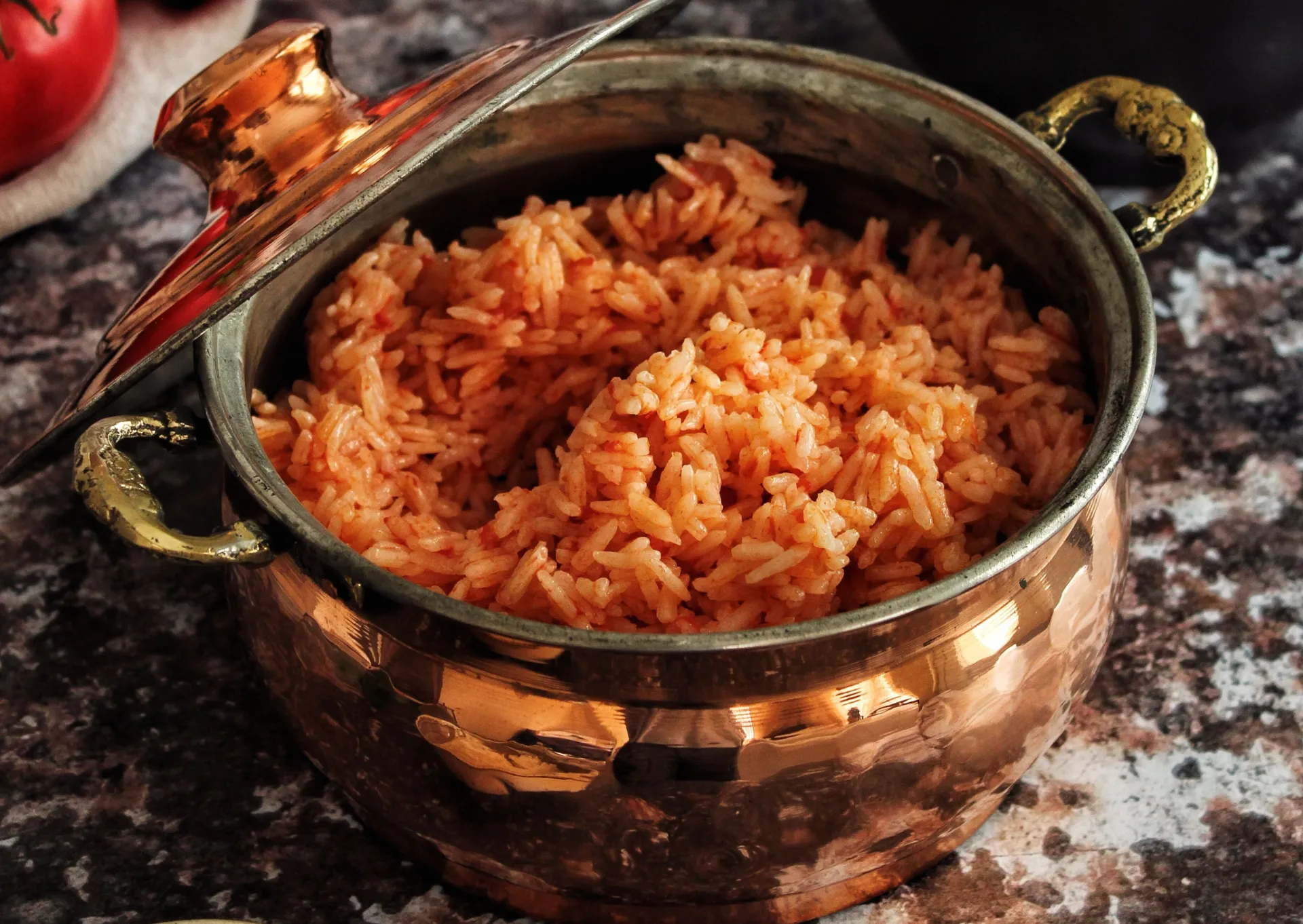
Cooking sessions then turned those ingredients into shared meals. Students cooked vegetarian bamya and used okra as a bridge across regions. In Middle Eastern foodways, okra appears in dishes such as bamya stew, often connected to home cooking, hospitality, and regional variation across the Levant, Egypt, and beyond. Later, students encountered okra again through West African cooking, including Nigerian okra stew. Seeing the same plant appear in multiple culinary traditions helped students understand that ingredients do not belong to only one place. They move through trade, migration, agriculture, diaspora, and family adaptation.
West Africa became especially important as a bridge between the local community culture of many All THAT students and the Middle Eastern cultures SEMC was introducing. All THAT serves a diverse student body in which Black and African American students are a major part of the community. By including West African foodways, the curriculum connected Middle Eastern learning to cultural lineages that connect to local and family heritage for many students and families. West African rice agriculture, Nigerian food traditions, and dishes such as Jollof rice opened conversations about African diasporic history, Black food culture, local African American community knowledge, and the movement of crops and cooking practices through the trans-Atlantic slave trade and modern migration. This made cultural comparison relational rather than distant: students could explore Middle Eastern foodways while also recognizing the African and African American food knowledge.
Several activities made this bridge visible. At the African and African American Extension Center in the Bronzeville/King-Lincoln neighborhood, students cooked bamya, ate Persian food from Charmy’s, smelled and touched saffron, and experienced the Bronzeville Farmers Market happening nearby. At International Gratitude Night, families shared an international meal that included Nigerian food with okra stew, Turkish food, and Levantine mojaddara. In the West African foodways session, Dr. Jacien Carr discussed the global history of rice and West African rice agriculture, and Dr. Joanne Mapis of Fork in Nigeria shared Jollof rice. Students connected the meal to regional identity, agriculture, and the role of shared food in cultural learning; several students later said they wanted to try cooking Jollof rice themselves.
Gardening added another layer by connecting meals to soil, time, and care. With Jodi Spencer of Vincent Walters Urban Farm, students planted garlic in All THAT’s garden and discussed garlic in family traditions, Middle Eastern cuisines, medicinal uses, and value-added products such as garlic oil, garlic powder, pickled garlic, and black garlic. The lesson made seasonality tangible: plant now, tend over time, harvest later. The fenugreek activity extended this approach. Students handled fenugreek as a full-grown plant, dried herb, and seed; smelled it; planted their own seeds; and learned about its importance in North Africa, the Middle East, India, and Ethiopia. The follow-up art activity, inspired by Columbus artist Aminah Brenda Lynn Robinson, used seeds and natural materials to connect plant science, storytelling, Black cultural memory, and community history.
Storytelling and reflection tied the sensory work to meaning. In the Egyptian foodways session, students compared ancient Egyptian feast foods shown on tomb walls with contemporary foods such as koshary and vegan fasting foods. In Amany’s storytelling session, students learned about Egyptian culture and Ramadan through videos and personal stories, then shared their own cultural backgrounds and family experiences. In the spice activity, students smelled, tasted, and discussed spices, made mint lemonade, learned from Baladna about Palestinian culture, and shared a meal of maqluba. These activities showed that food is not only something to identify or prepare; it is a way people remember, celebrate, worship, welcome guests, express identity, and build community.
This combined method works because it moves from the concrete to the complex. Students begin with touch, smell, taste, soil, and shared meals. From there, they can ask deeper questions: Who grows this food? How did it travel? What histories does it carry? Why does it matter to a family, a faith community, a region, or a diaspora? How does it connect to food access, health, agriculture, entrepreneurship, and belonging in Columbus? In this way, cooking, tasting, gardening, storytelling, and reflection become one integrated pedagogy for helping students see themselves as cultural learners, cultural ambassadors, and participants in local agri-cultural food systems.
4. Develop youth intercultural awareness and appreciation for new foods
SEMC develops youth intercultural awareness by reflecting on memories of our parents and other people who influenced us, especially connection to certain plants, mealtimes, and ingredients we use in our kitchens. We call these “Seed Stories,” and we use them to identify values we learned from our family and friends. Then we experience growing the plants, preparing the foods, and eating meals with special significance in Middle Eastern and West African cultures together. Talking about values connects the learning to “self as cultural being (Gay, 2010, p. 3),” and the hands-on activities serve as entry points into other cultural worldviews. The sensory experiences in the presence of caring adults and other kids also trying out new things, make unfamiliar foods approachable and give students concrete ways to ask questions.
The central purpose of each learning activity is to increase openmindedness, an important dimension of intercultural awareness. Specifically, the goal is to move students from food neophobia toward curiosity. Activities such as the “What is That?” game, the Spice Game, cooking bamya, tasting saffron, drinking mint lemonade, planting garlic and fenugreek, and sharing meals of Jollof rice, maqluba, mojaddara, Turkish breakfast, and other foods give students repeated chances to encounter new ingredients in a safe, relational setting. Because these foods are introduced through games, stories, shared meals, and trusted adults, students can try something unfamiliar without feeling judged or pressured.
The curriculum also builds appreciation by connecting new foods to students’ own cultural backgrounds. Middle Eastern foodways are placed in conversation with West African, African American, Filipino, religious, family, and local Columbus food traditions. For example, okra becomes a bridge between Middle Eastern bamya and West African okra stew; garlic becomes a bridge between plant science, family cooking memories, medicine, entrepreneurship, and global cuisines; and fasting and feasting traditions open conversations about religion, hospitality, and celebration and how they shape our menus. This comparative approach helps students recognize that all cultures have meaningful foodways, including their own.
Reflection and dialogue are essential to the overall learning. Students share dinner-table memories, family recipes, religious practices, hospitality norms, and cultural values. They discuss how values shape food choices and how professional interactions in culinary and hospitality settings require cultural respect. Evidence from student reflections
“My thoughts are shaped by what we talk about around the dinner table.”
“The tradition I am continuing is sitting around the dinner table as a family… my Mom gives me advice on life and other things.”
“My Mom’s homemade Adobo . . . brings peace and love to the table.”
“I have friends… that I don’t eat in front of because [they are fasting because of their religion and] it’s rude.”
“I think culture is a blessing meant to be shared with everyone.”
“The foodways that connect me to my culture are African foods and Black culture food. I also eat every other cultures’ food or just taste it.”
“Value each meal.”
In this way, students practice perspective-taking: they consider dietary needs, recognize cultural and religious food practices, identify stereotypes, and deepen their understanding of the ways that food preferences are shaped by family, identity, access, history, and community.
Guest speakers, cultural organizations, farmers, chefs, educators, and food business owners also serve as cultural ambassadors for students. When students hear directly from people connected to Palestinian, Egyptian, Iranian, Turkish, Nigerian, West African, African American, and other food traditions, culture becomes personal rather than distant. These encounters show students that food knowledge lives in people, families, farms, restaurants, faith communities, and neighborhoods.
Ultimately, SEMC develops appreciation for new foods by developing appreciation for people. Students learn that trying new foods is not only about expanding taste preferences. It is also about practicing openness, humility, respect, and curiosity. As they build culinary vocabulary, plant knowledge, food systems awareness, and confidence with unfamiliar ingredients, they also begin to see themselves as cultural learners, cultural ambassadors, and future contributors to more inclusive local food systems.
Looking Ahead
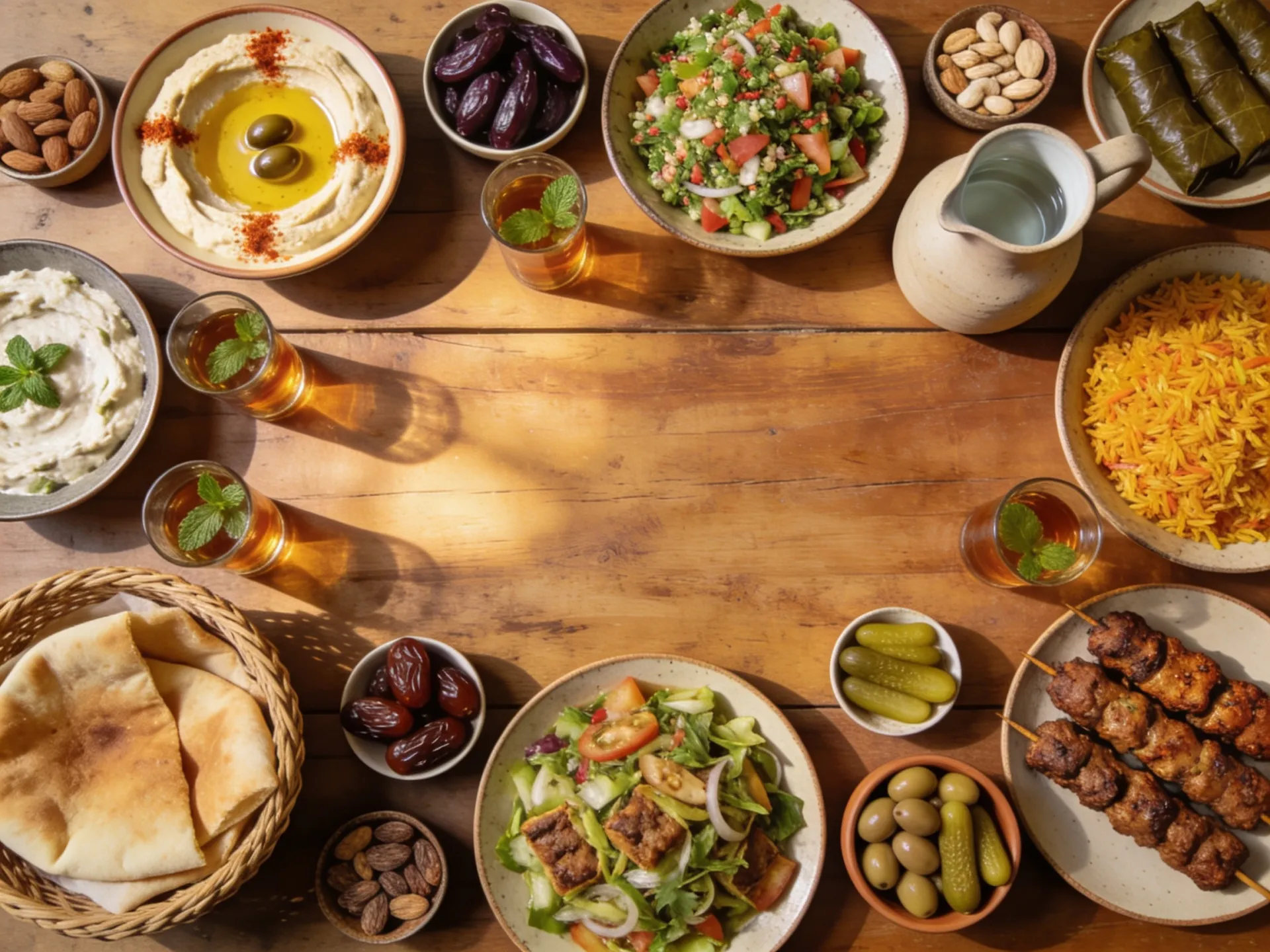
The goal of Seeds of Middle Eastern Culture is to create cultural ambassadors and advocates for cultural and biological diversity of ingredients, sourced ethically and based on regenerative, health-giving food systems.
In year 1 - We completed the pilot by delivering sessions (see timeline, below) to the culinary track and larger student body focused on cooking, sharing and conversation about Middle Eastern Food and their cultural contexts.
In Year 2 - We are focusing on sustainability by training All THAT Staff who now co-lead sessions. We collaborate on curriculum development based on the Seeds of Culture learning framework and pedagogy.
In Year 3 - We will look at program outcomes and conduct research on educational factors that might contribute to open-mindedness to new cultures and foods. Research will consider intercultural development and will account for the role student cultural backgrounds play.
Throughout the Project - Connecting with Cultural Associations: We are establishing collaborative frameworks to support more inclusion of Middle Eastern cultural associations to increase their participation.
Year One Journey
All THAT became a hands-on youth foodways learning site for the Seeds of Middle Eastern Culture project. The work centered on All THAT’s culinary track and used food, plants, cooking, tasting, gardening, storytelling, and reflection to help teens connect Middle Eastern and West African foodways to culture, family traditions, agriculture, health, and local food systems. Explore the timeline of activities to learn more about what we did.
September 4, 2025
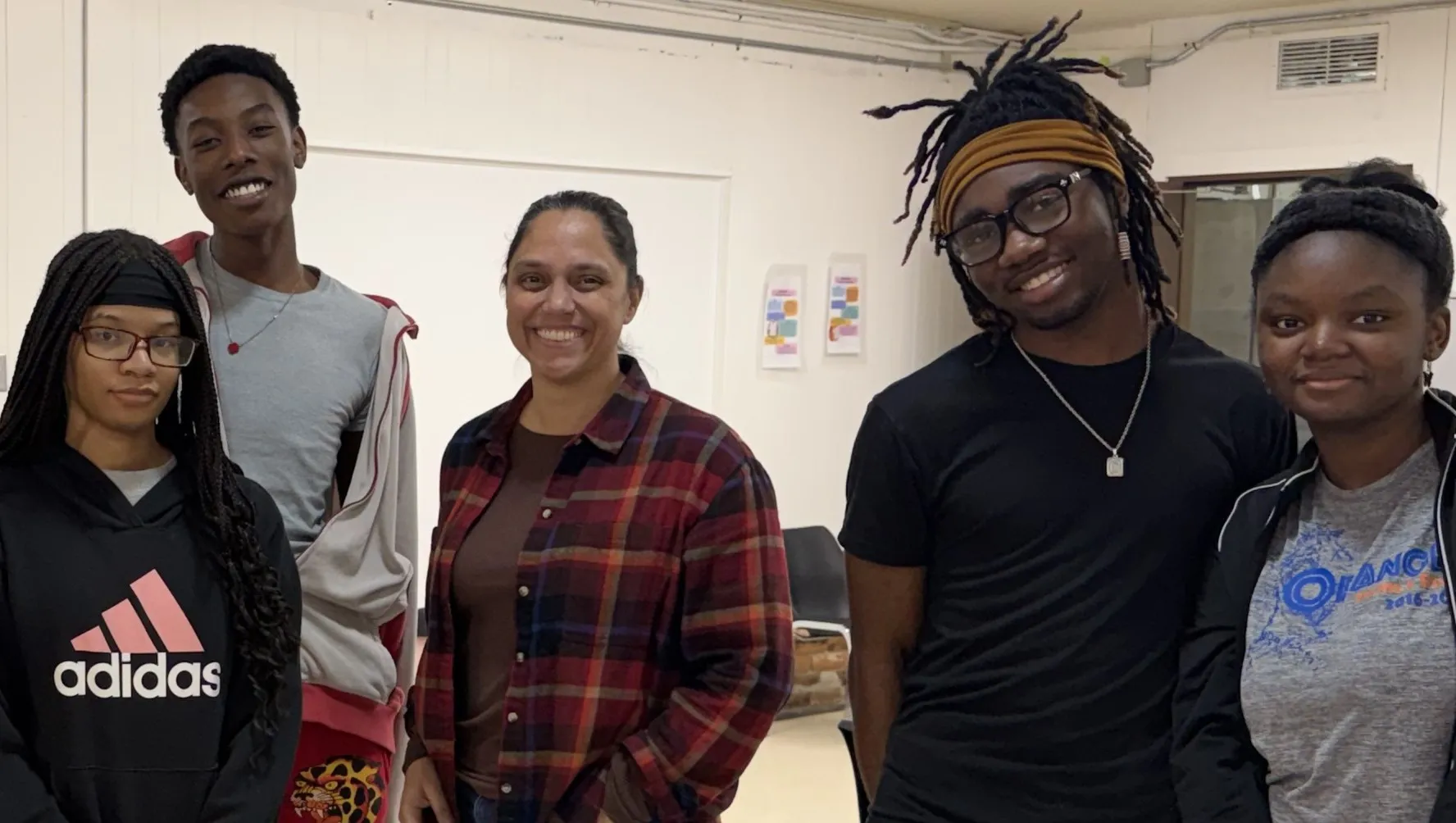
Kick-Off: "What is that?" ingredient-identification game with Brandy Phipps
September 18, 2025
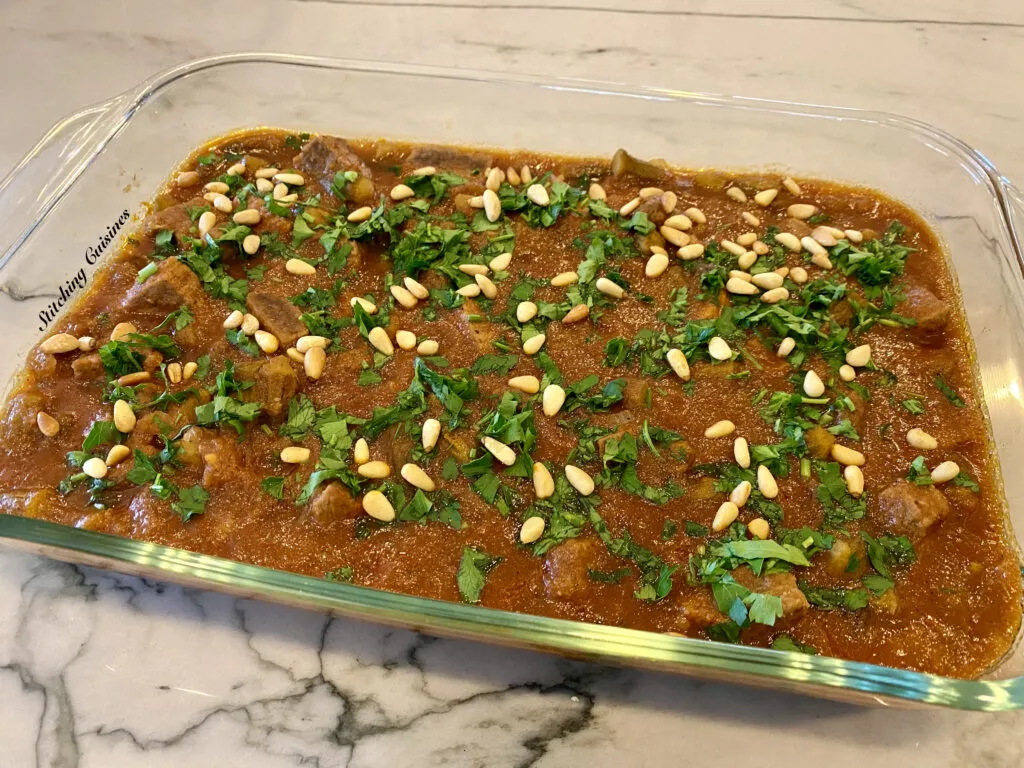
Levant & Iran cooking workshop — Bamya stew, saffron, Bronzeville Farmers market
October 23, 2025
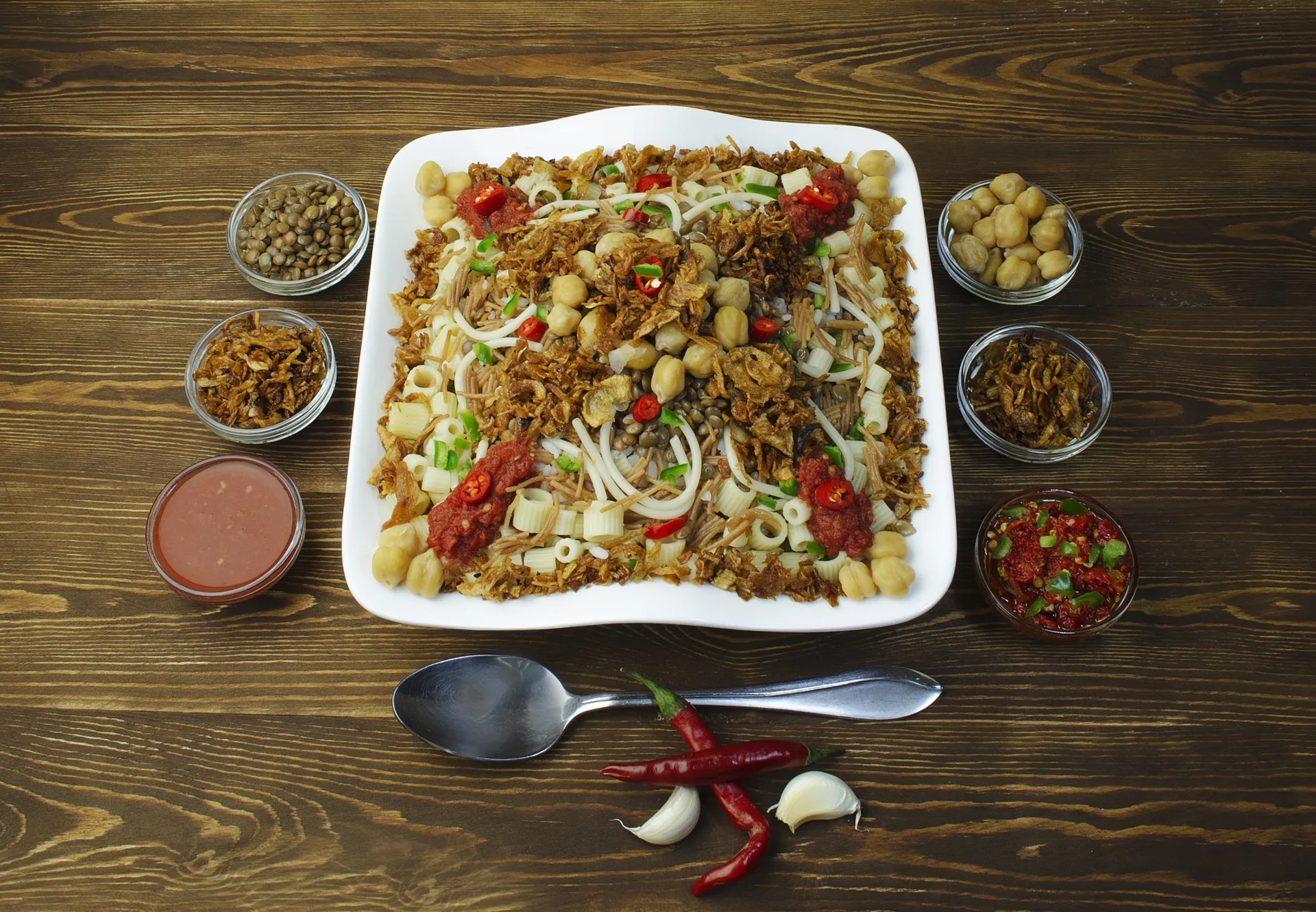
Egyptian foodways: feasting, fasting, and koshary
November 14, 2025
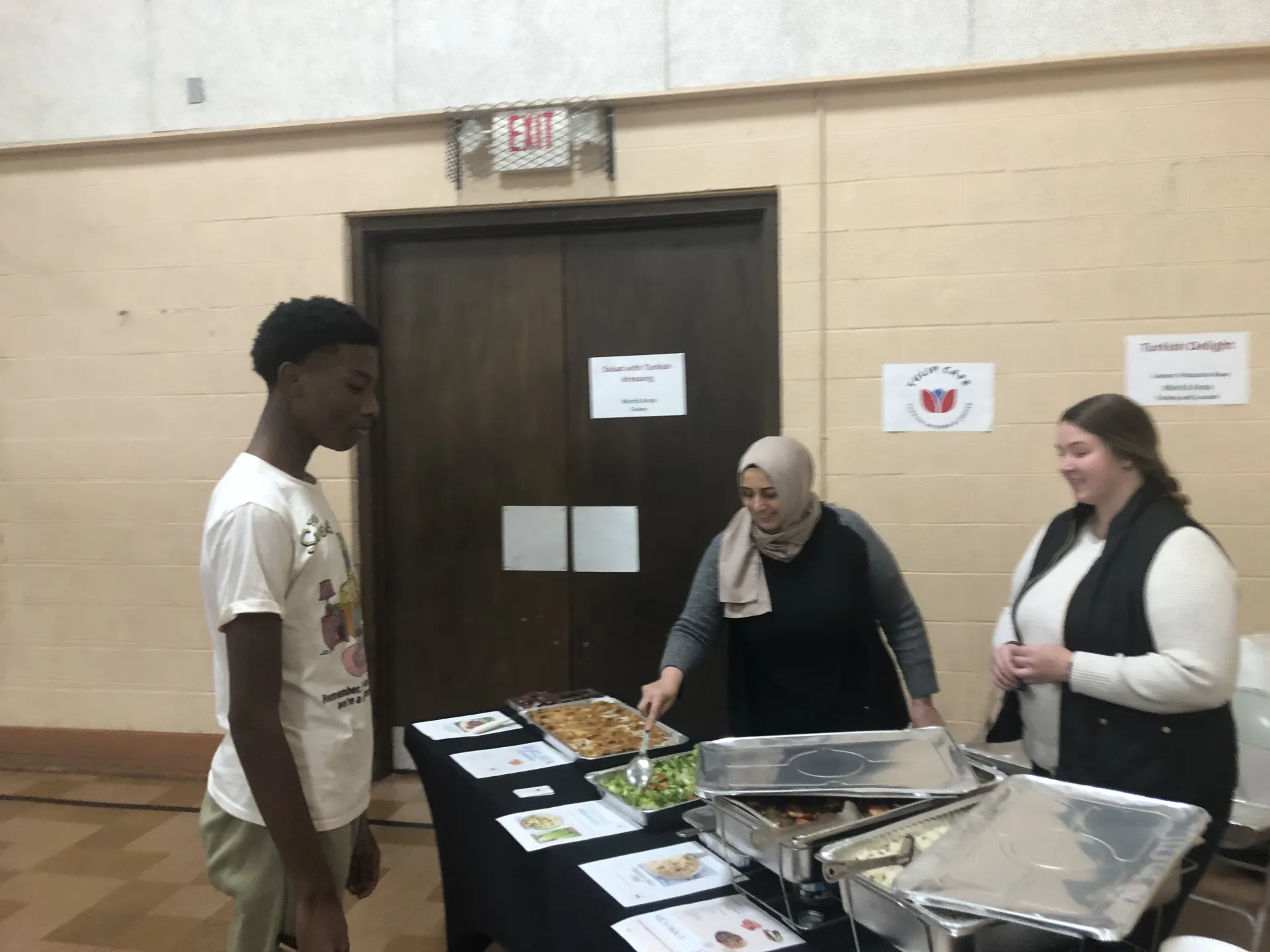
International Gratitude Night — 150 attendees, Nigerian, Turkish & Levantine dishes
November 20, 2025
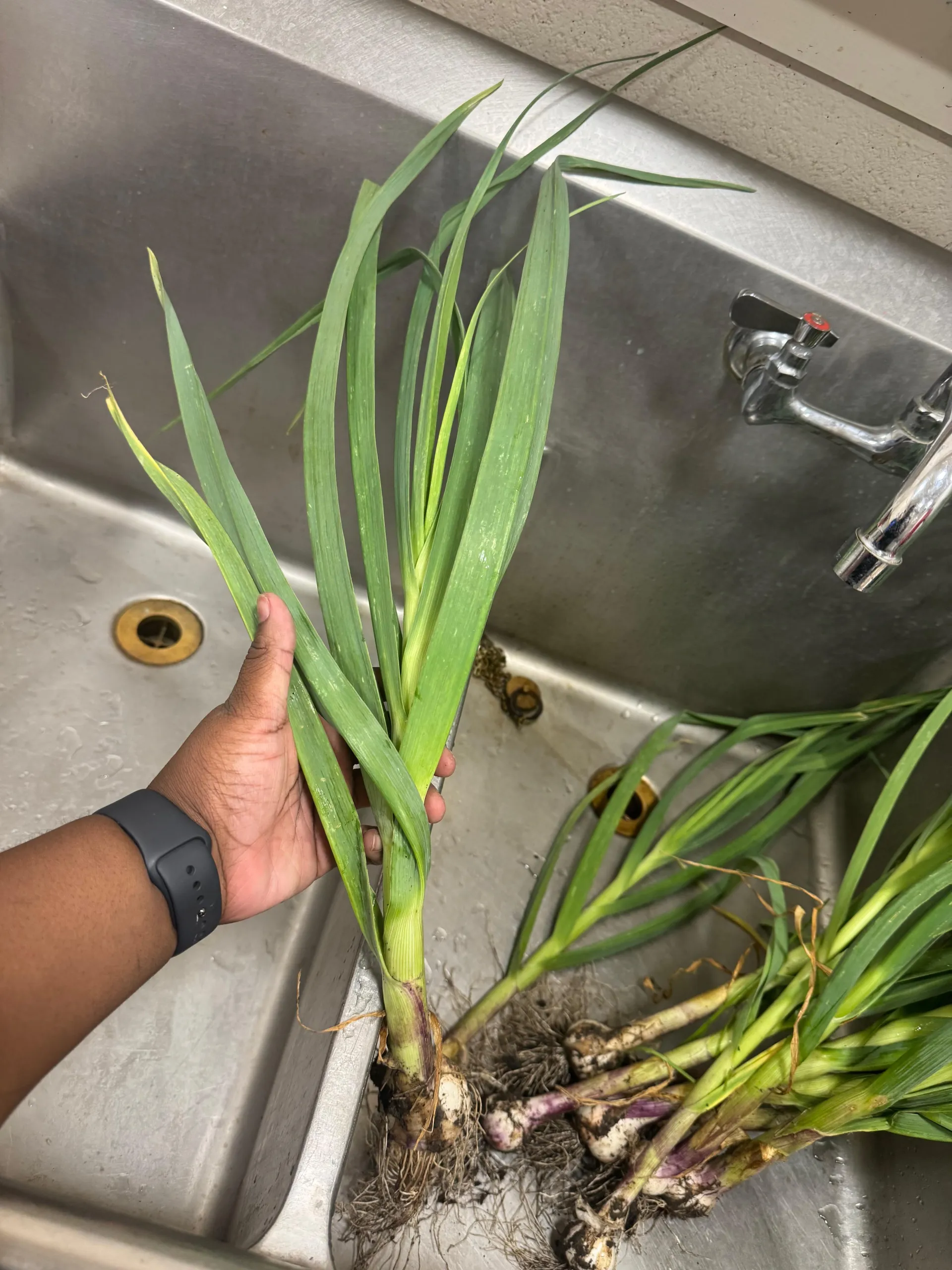
Seed Stories: Garlic planting with Jodi Spencer and Vincent Walters Urban Farm
February 19, 2026
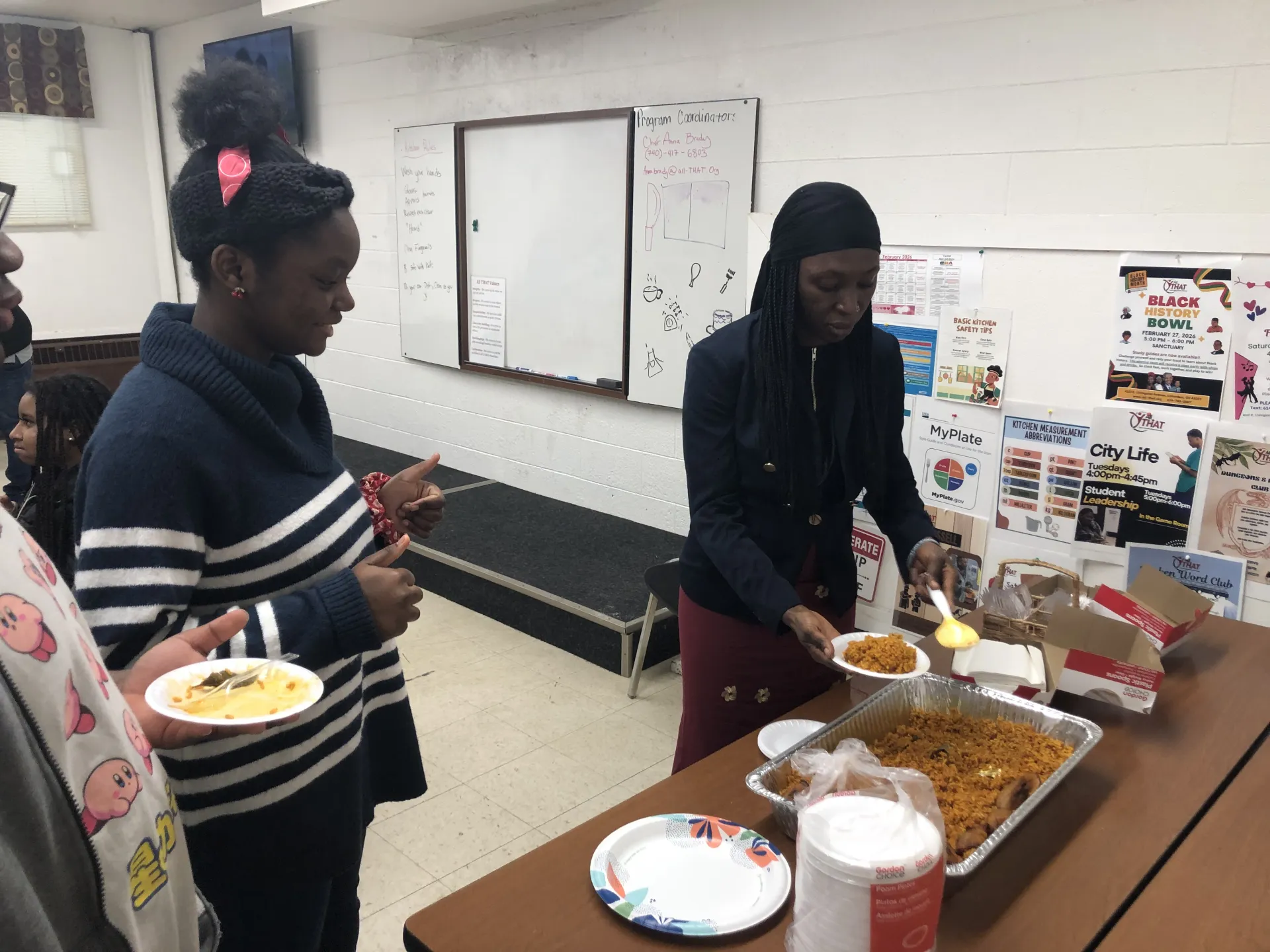
West African foodways — rice history with Dr. Jacien Carr, Jollof rice with Dr. Joanne Mapis
February 26, 2026
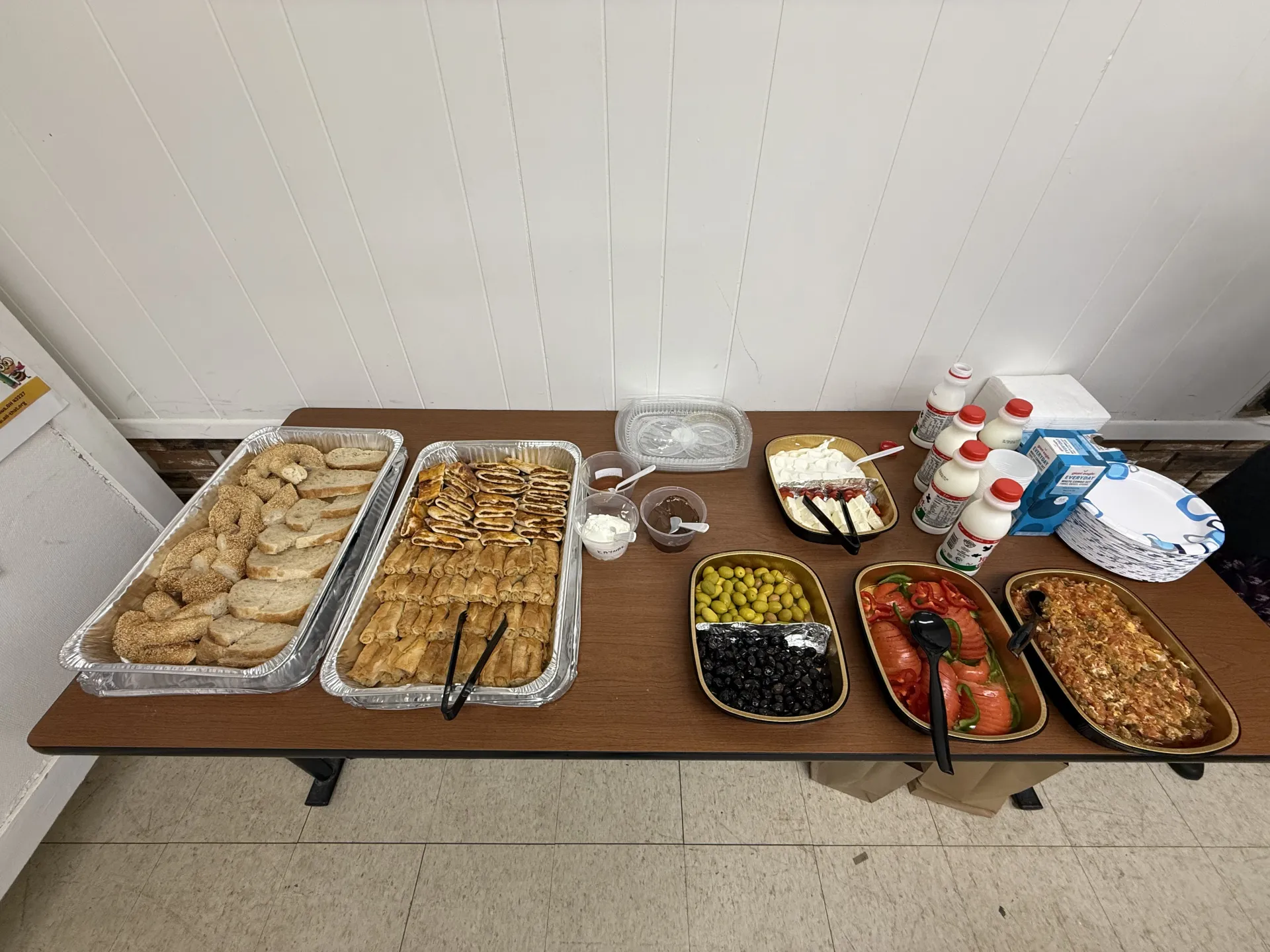
Values & food choices discussion with Brandy Phipps; Turkish khavaltı
March 26th, 2026
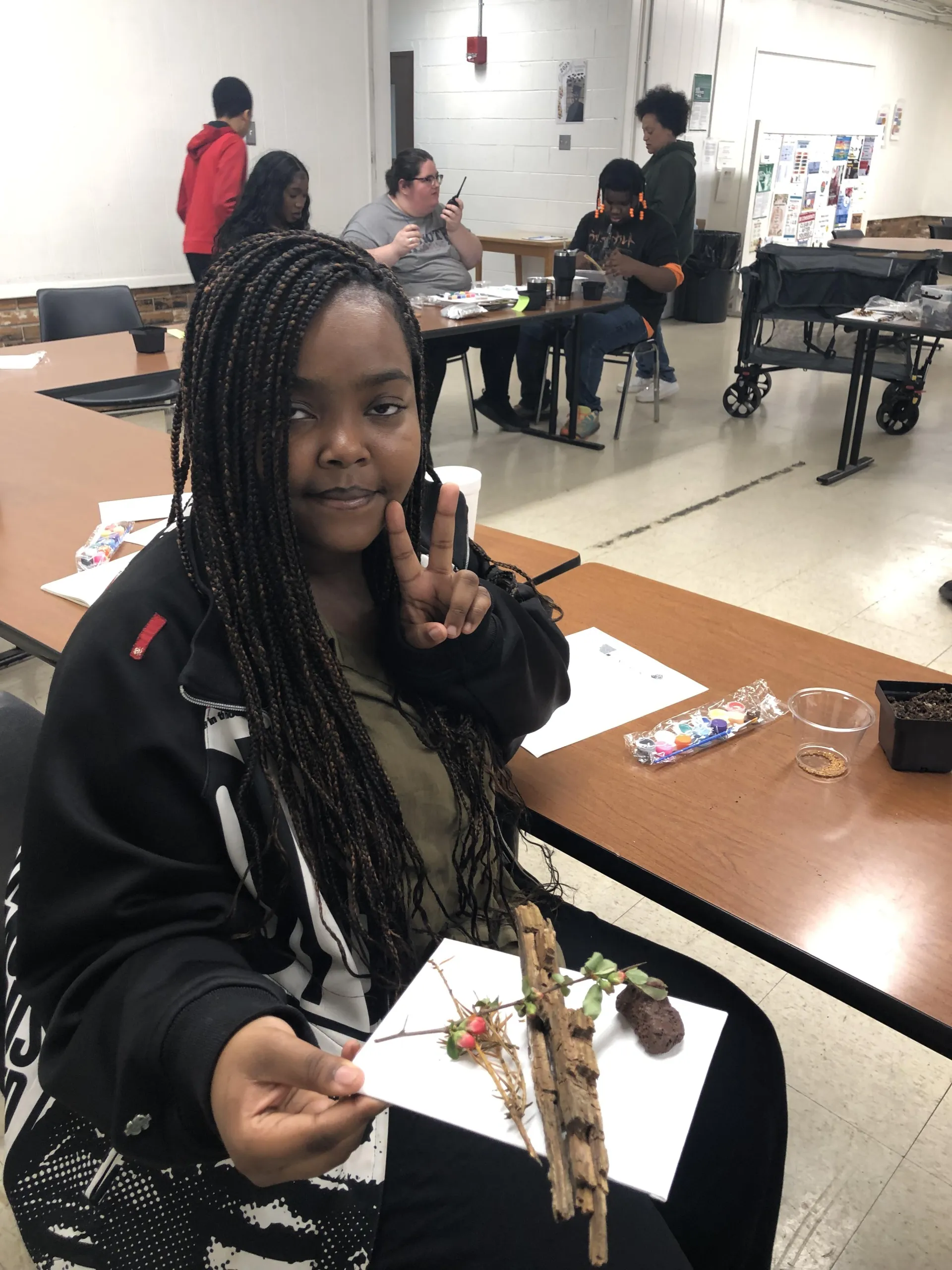
Fenugreek sensory activity art inspired by Columbus Artist Aminah Robinson, with Jodi Spencer and Vincent Walters Urban Farm
April 30, 2026
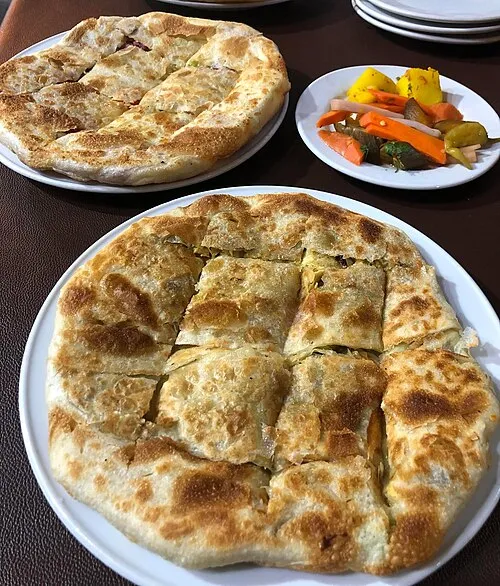
Storytelling & Egyptian culture with Amany Seleem
May 7, 2026
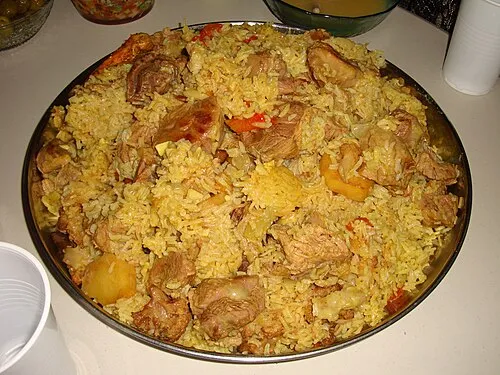
The Spice Game & Maqluba with Baladna
Student Voices
People
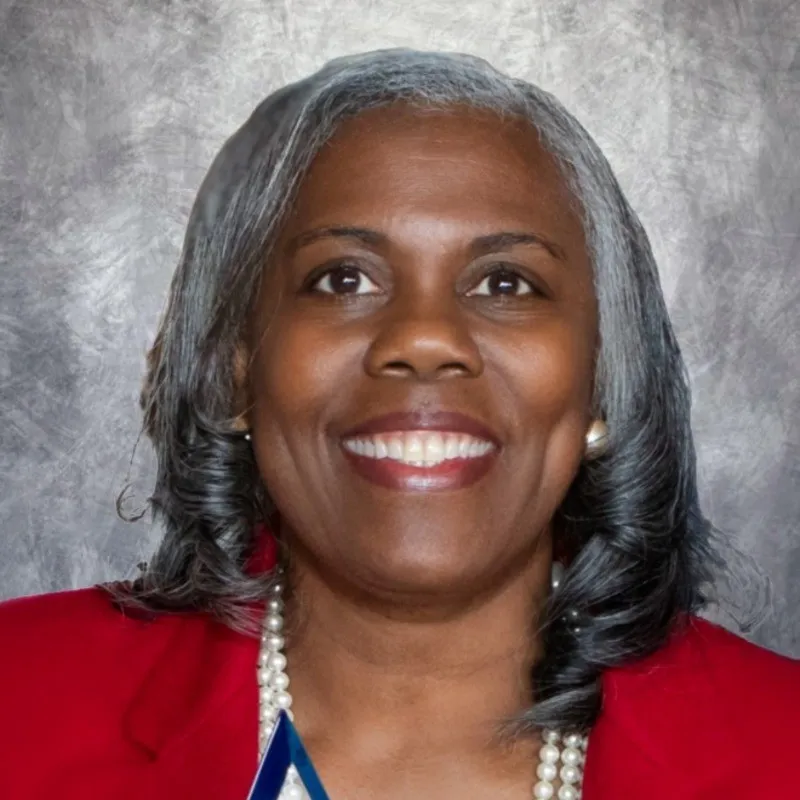
"As the Director of All THAT. . . I endorse the Middle East Studies Center's Seeds of Middle Eastern Culture curriculum. Students in our program gain life skills, knowledge of the Middle East, culinary skills, gardening skills, and a deeper understanding of culture and food systems. . . ”
— Danella Hicks, Seeds of Middle Eastern Culture Community Partner, Founder & Executive Director, All THAT - Teens Hopeful About Tomorrow
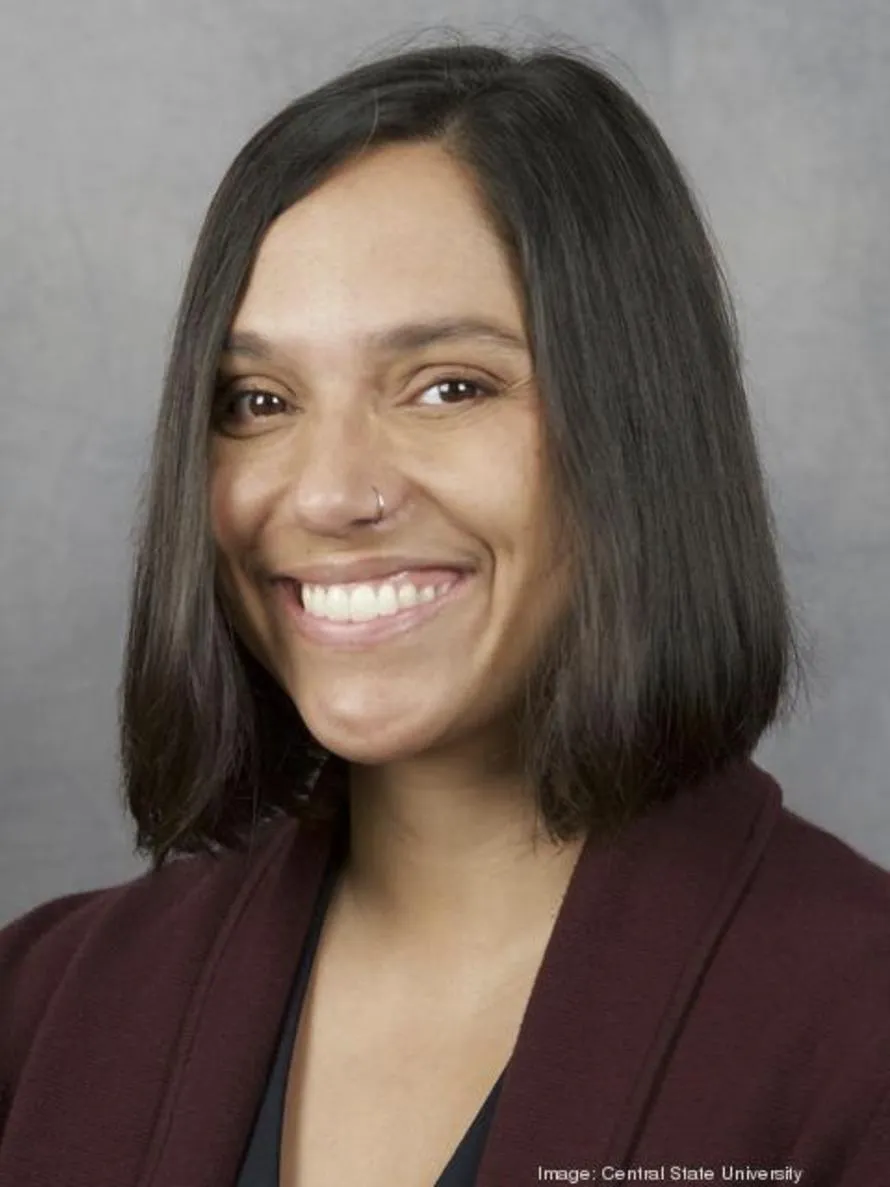
"Seeds of Middle Eastern Culture opens up new horizons for young people by inviting them to experience the richness of Middle Eastern foodways through hands-on gardening and culinary activities. These experiences are not just about cooking or tasting new dishes—they are a way to discover how our food choices can shape our health and well-being.”
— Brandy E. Phipps, Ph.D., Seeds of Middle Eastern Culture Advisor, Academic Partner Liaison, and Central State University Associate Professor
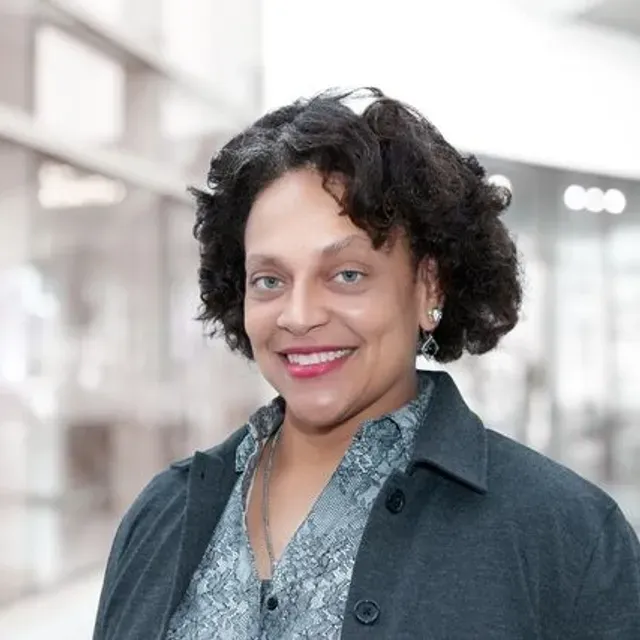
"I am sincerely grateful to . . . all of the instructors and partners who made this experience possible. [It] has strengthened . . . the long-term vision of Vincent Walters Urban Farm, Inc. to use agriculture, culinary education, and cultural heritage as tools to cultivate healthier, more connected, and more resilient communities."
- Jodi R. Spencer, Seeds of Culture Consultant and Director of Vincent Walters Urban Farm
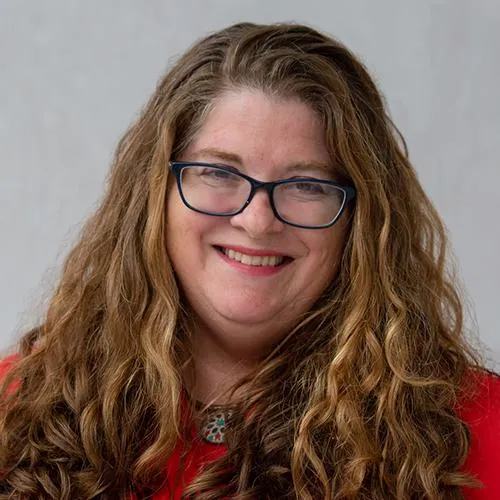
“I feel honored to watch the confidence of the All THAT students grow through the Seeds of Middle Eastern Culture project. They’ve learned so much about Middle Eastern peoples and cultures through iconic dishes and hands-on explorations of food systems from ‘soil to suq’—and in the process have come to understand their own culinary heritage, told stories about how food has been an important part of their identity, and expanded their own culinary curiosity. I believe these experiences will continue to provide a foundation for these young people as they navigate their career paths in our complex and diverse society.”
- Barbara Petzen, Seeds of Culture Consultant and Expert in Middle East Studies Education
Explore Culturally Relevant Crops
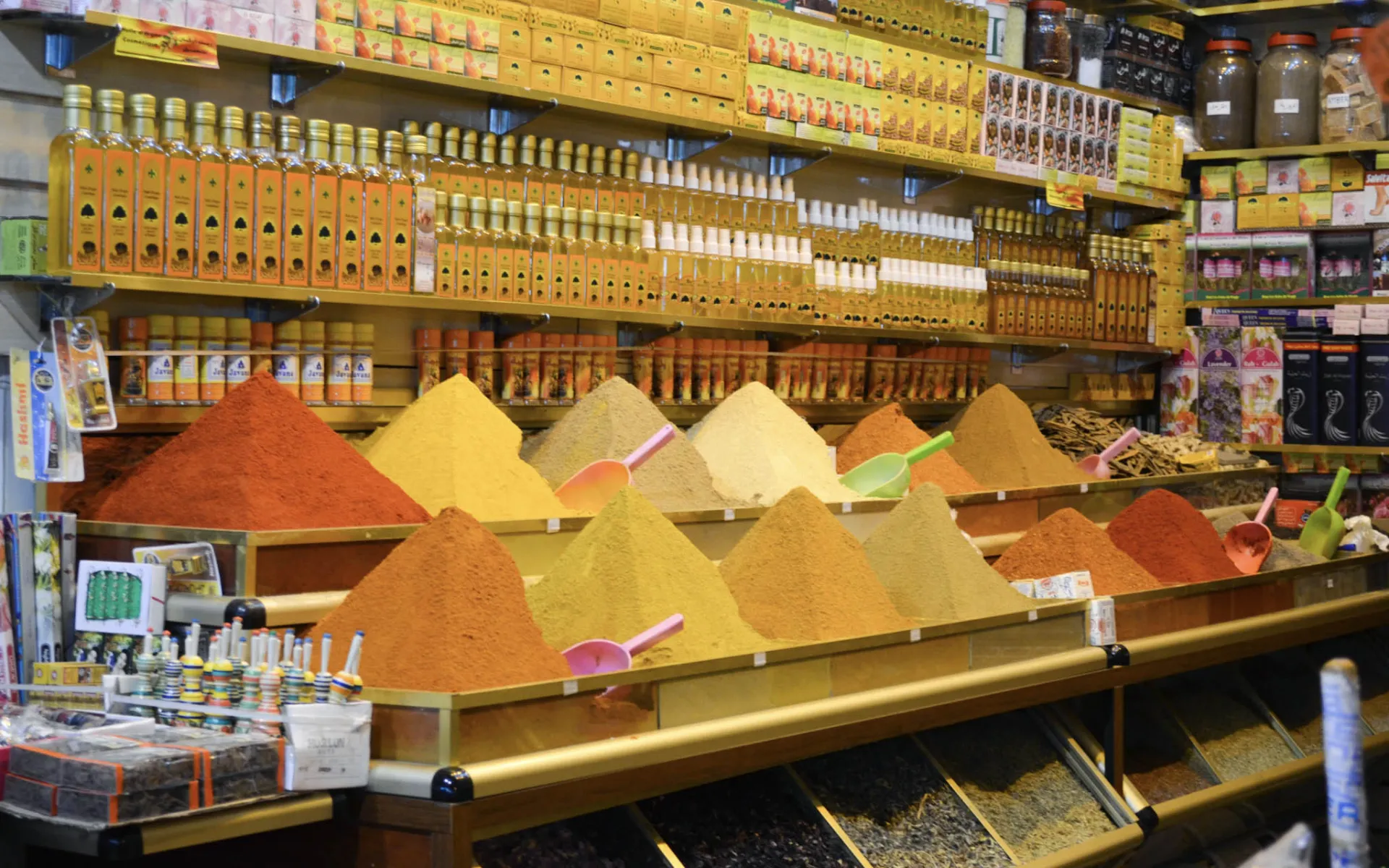
Learn more about the plants and ingredients essential to Middle Eastern culture and cuisine:
From garlic to fenugreek to saffron, the plants at the center of Middle Eastern foodways carry centuries of history, medicine, and family memory.
This section of our website dives deeper into the individual fruits, vegetables, herbs, and spices that shape Middle Eastern foodways, including recipes and other helpful information.
Our Partners and Collaborators
Thank you to our partners and collaborators for making this project possible and impactful.
Core Youth Partner: All THAT – Teens Hopeful About Tomorrow, and Director, Danella Hicks.
Academic Partner: Central State University — Dr. Brandy Phipps
Consultants and Guest Experts: Jodi R. Spencer (Vincent Walters Urban Farm), Barbara Petzen, Dr. Zari Mahmoudi, Dr. Joanne Mapis (Fork in Nigeria), Dr. Jacien Carr (OSU Center for African Studies), Dr. Amany Seleem, Lavanya Watkins, and Ebrahim Paydar.
Community Engagement Strategy Partner: Third Floor Design
OSU Co-Sponsors: The Melton Center for Jewish Studies, The Department of Anthropology, The Department of History, The Department of Comparative Studies, The Near Eastern and South Asian Languages and Cultures Department, the Office of International Affairs, the Office of Outreach and Engagement.
Local Food Systems Ties: Columbus & Franklin County Local Food Action Plan / Local Food Board, Slow Food Columbus
Historic Information
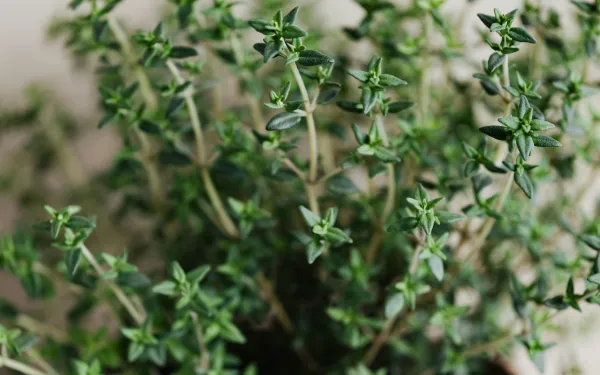
Introducing "Seeds of Culture: Middle East Culinary Heritage"
The Middle East Studies Center is launching a new food sovereignty project to encourage community building and cultural inclusivity by fostering local and sustainable food systems. Seeds of Middle Eastern Culture is a food sovereignty project focused on Middle Eastern culinary practices and raising awareness about the plants that hold unique meaning to our region of study. Food sovereignty refers to the right of individuals and communities to access nutritious and culturally suitable food, and to shape their own food and agricultural systems. This concept emphasizes that local communities should play a central role in food production and policy-making, which helps to address food insecurity and ensures the availability of culturally significant produce and ingredients.