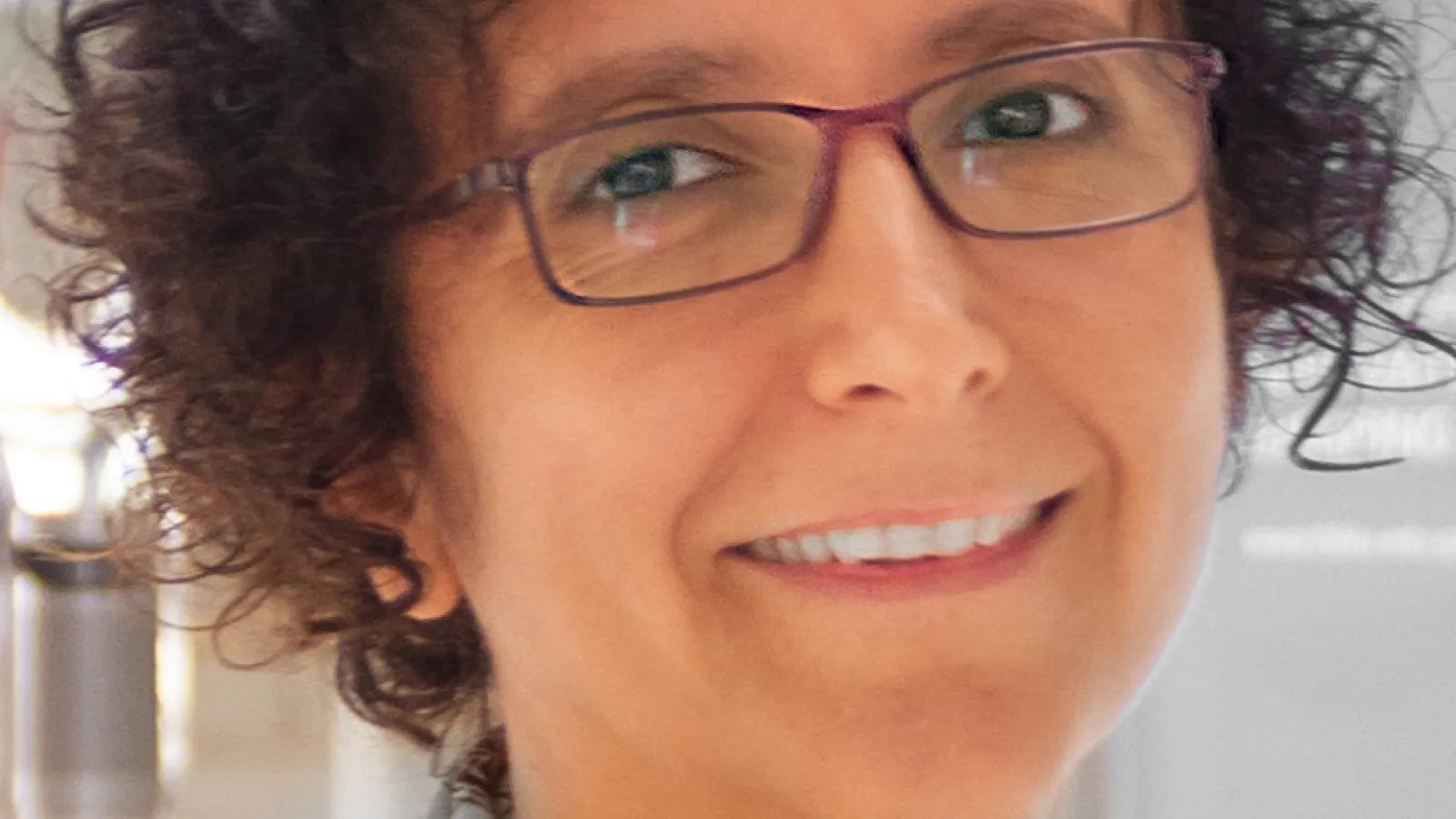
This presentation is based on over two decades of research with women refugees from Iraq and Syria in Jordan, Germany, and the USA. It emphasizes the need for critical perspectives that challenge refugee objectification and marginalization. Through employing a feminist, decolonial and intersectional analysis that centers refugee stories, I analyze the context in which these experiences emerge and their everyday acts of resistance and survival. I trace different refugee experiences, the way they depict forms of gendered violence enacted on their bodies, and the personal and political connections they make between narrating and resisting, telling, and acting. The focus is on narratives as a mode of centering refugee agency, criticality, and survival, and how they challenge local, regional, and international systems that see refugees only through a lens of precarity and gratitude. I map how refugees continued to move between these borders and across these continuums of violence and forced displacement, how they were constantly negotiating and redefining the meaning of both “refuge” and “border”, and how their gendered and racialized bodies constitute the site for this negotiation.
Bio:
Isis Nusair: Professor of Women’s and Gender Studies & International Studies at Denison University. She is the co-editor with Rhoda Kanaaneh of Displaced at Home: Ethnicity and Gender Among Palestinians in Israel and with Barbara Shaw of Pedagogies of Interconnectedness: Feminist-Queer Collaborative Transformation. She is the translator of Ever Since I Did Not Die by Ramy Al-Asheq. She is completing two book manuscripts on Iraqi women refugees in Jordan and the USA and refugees from Syria in Germany. Isis is the co-writer/director with Laila Farah of the one-woman performance titled Weaving the Maps: Tales of Survival and Resistance. She is currently researching the body of genocide in Gaza, and Syrian TV series post 2011. She served on the editorial committees of the International Feminist Journal of Politics and MERIP and will serve on the editorial board of Women’s Studies Quarterly. She worked as a researcher on women’s human rights in the Middle East and North Africa at Human Rights Watch and at the Euro-Mediterranean Human Rights Network.
This talk is part of the Multi-Ethnic Cultural Reproductions in the Middle East (MCRME) Project - go.osu.edu/mcrme
Sponsored by following units:
Melton Center for Jewish Studies
Middle East Studies Center
Center for Ethics and Human Values
Global Arts + Humanities | Cross-Disciplinary Research Exchange