Rosemary
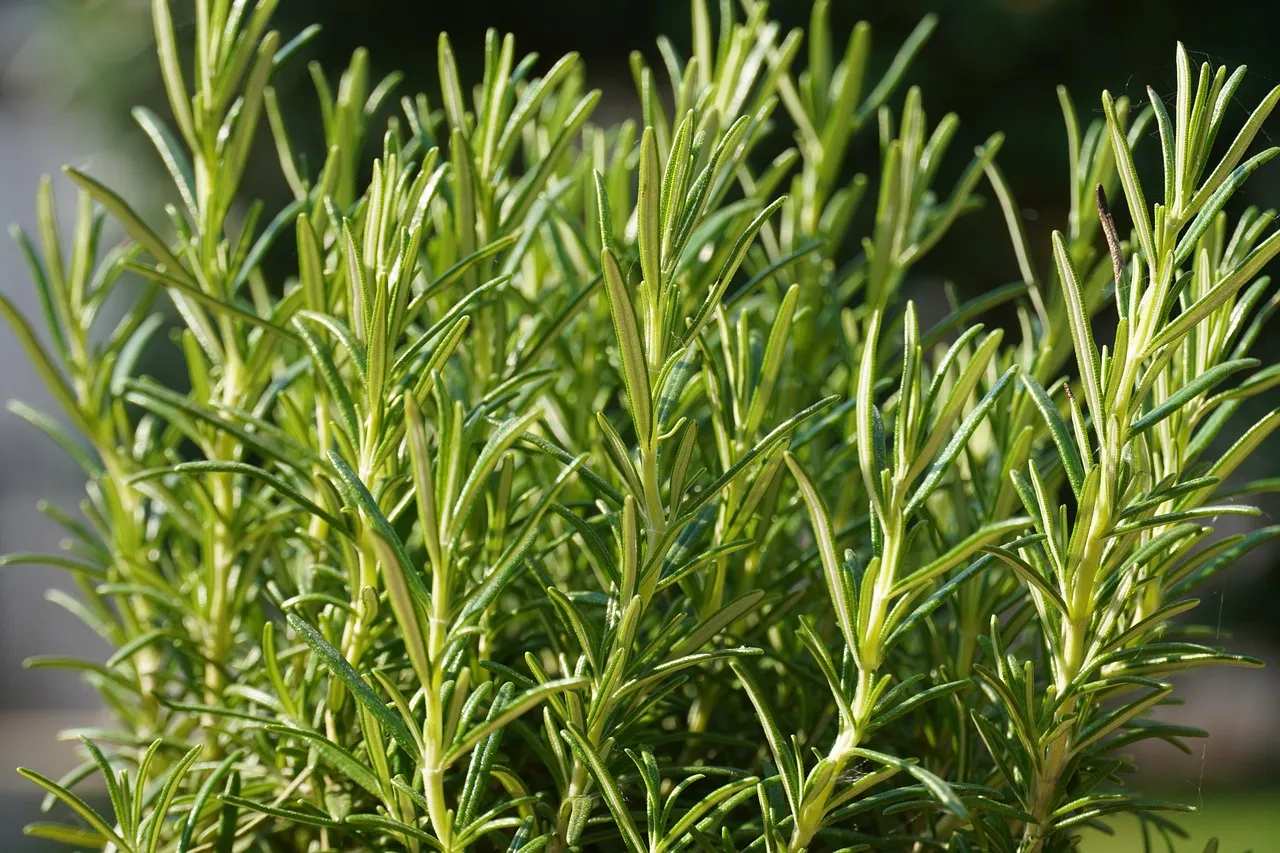
Rosemary (Salvia rosmarinus) is an aromatic evergreen shrub native to the Mediterranean region, including parts of the Levant and coastal areas of the Middle East. Its cultivation dates back thousands of years, and the plant has long been prized for its culinary, medicinal, and symbolic uses. Rosemary thrives in dry, rocky soils with full sun exposure, conditions that are common throughout the Middle East, particularly along coastal plains and elevated terrains. The plant’s needle-like leaves and small flowers, which range from white to pale blue, are highly aromatic due to the essential oils concentrated in its foliage. These oils contain compounds such as rosmarinic acid and carnosic acid, which contribute to the herb’s flavor, fragrance, and therapeutic properties[1]. Historical evidence indicates that rosemary was used not only for seasoning and medicine but also in ritual and symbolic practices, linking it to memory, fidelity, and protection in various Middle Eastern cultures[1].
Cultural Relevance of Rosemary
Medicinal Uses of Rosemary
Rosemary has a long-standing role in traditional Middle Eastern medicine. It has been used to aid digestion, improve circulation, and relieve respiratory conditions such as coughs and colds. Infusions and essential oils were applied topically to alleviate muscle and joint pain, promote wound healing, and reduce inflammation[1][3]. Historical herbal treatises from the Islamic Golden Age mention rosemary for enhancing cognitive function and memory, while folk practices incorporated it for purification and protection in the household[1][4]. Modern pharmacological research supports these traditional applications, showing that rosemary contains antioxidants, anti-inflammatory compounds, and antimicrobial agents that justify its long-standing use in the region[3][4]. The herb’s medicinal use is closely intertwined with its culinary applications, reflecting a holistic understanding of plants in Middle Eastern culture.
Symbolic and Ceremonial Uses of Rosemary
Rosemary holds rich symbolic and ceremonial significance in the Middle East. Archaeological and historical evidence indicates that it was used in ancient Egyptian tombs and funerary practices, likely for its aromatic properties and association with purification[1]. In later Middle Eastern folk traditions, rosemary became linked to memory, fidelity, and protection, often incorporated into weddings, funerals, and household rituals. Sprigs of rosemary were placed in homes to ward off evil, included in bridal bouquets to symbolize loyalty and love, and used in funeral rites to honor the deceased and ensure remembrance[1]. While not explicitly referenced in religious texts, rosemary appears in Islamic herbal treatises and folk practices as a protective and purifying herb, highlighting its enduring presence in the region’s cultural and ceremonial life. Its continued use in gardens, kitchens, and ritual contexts underscores the plant’s lasting symbolic importance throughout Middle Eastern history[1].
Culinary Use of Rosemary
Rosemary has been a staple in Middle Eastern cuisine for centuries. Its strong, pine-like aroma and slightly bitter taste enhance a variety of dishes, particularly those featuring lamb, chicken, or fish. The herb is frequently combined with garlic, lemon, and olive oil to marinate meats before roasting or grilling, a practice that both enhances flavor and aids in preservation. In addition to its use in meats, rosemary leaves are incorporated into breads and pastries, adding a fragrant herbal note, and are also used to infuse oils that are employed as flavoring agents or natural preservatives[1][2]. Dried rosemary is widely utilized to ensure year-round availability, and the herb is commonly brewed as a tea or infusion, often consumed after meals to aid digestion or stimulate appetite[1][2].