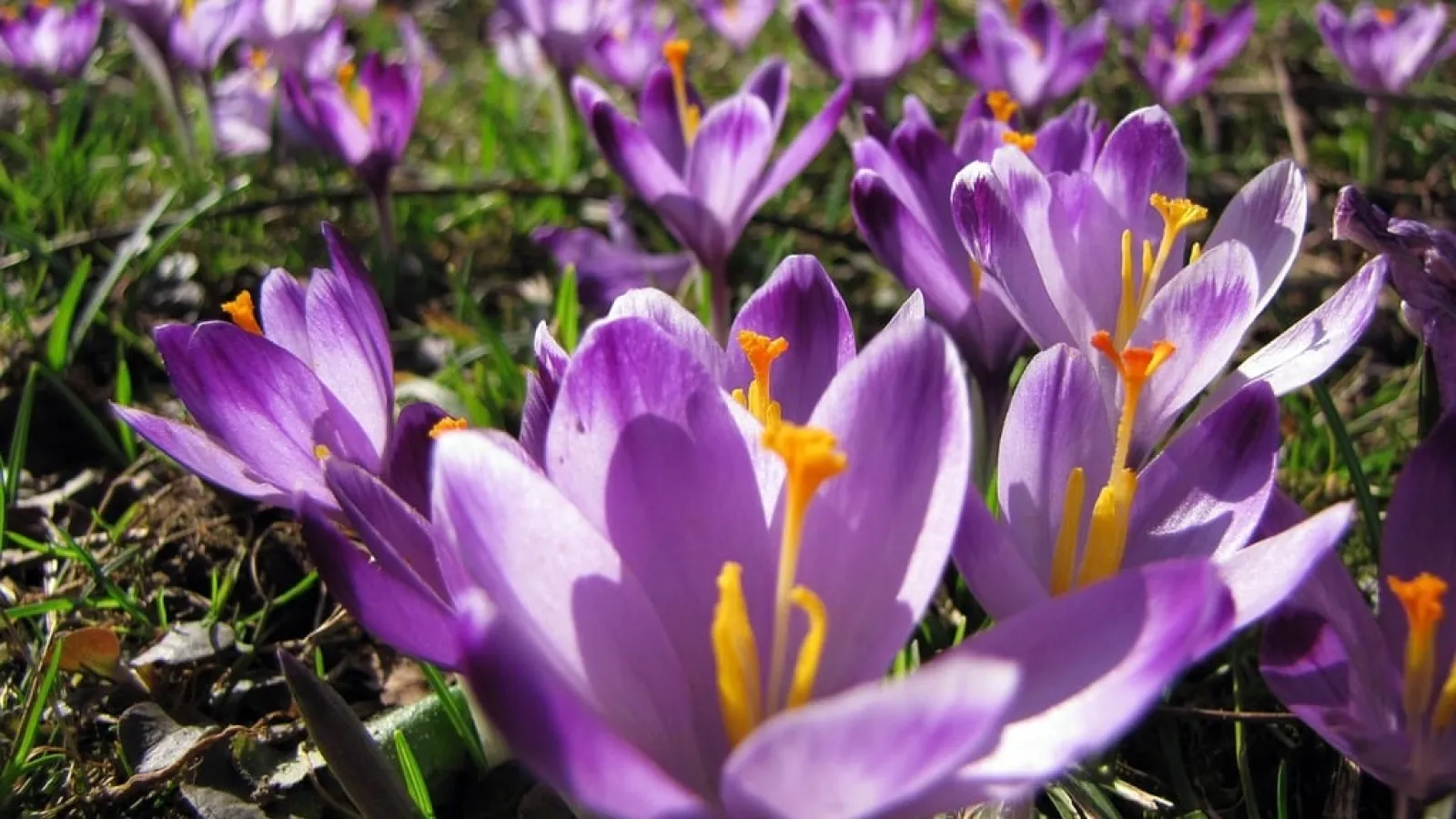
The smell of saffron is all around the house. My mom is cooking some rice to serve it with the chicken she has cooked for dinner. I find her in the kitchen, grinding the saffron in the brass mortar that she bought from Shiraz Grand Bazaar years ago. She puts saffron threads in the mortar and adds a tiny piece of sugar cube. The sugar cube makes the saffron threads grind more easily.
I go to the kitchen and watch her hands move in a rhythm that feels older than both of us. The saffron resists at first, stiff and wiry, then gradually gives in, staining the inside of the mortar with a deep, glowing red. The sugar cube dissolves into the threads, softening them, coaxing out their color and scent. The smell grows warmer, rounder—floral, earthy, and slightly sweet. It fills the kitchen and then the rest of the house, slipping into curtains, clothes, memory.
I do not remember how I first learned about the scent of the saffron— but this is my most dominant memory of how to make the saffron ready for cooking not from a recipe, but from watching my mom. She explained it in steps that you need to add the saffron stems to the mortar and then add the sugar cube. Afterwards, there was observation, repetition, and correction. “Not too much,” she would say if I reached for more threads. “Saffron is precious. It’s the red gold that we export it all around the world. Our saffron is famously the best” she said. Precious not only because of its price, but because of the labor behind it, the patience it demands, the care it deserves. Even as a child, I understood that saffron was different from the other spices lined up in our cabinet. It wasn’t shaken carelessly from a jar. It was unwrapped, counted, ground, and bloomed.
The brass mortar itself has a story. My mom bought it long before I was old enough to notice such things, during a trip to Shiraz, a city I came to know through her descriptions before I ever saw it myself. She talks about the bazaar as if it were a living being—narrow corridors, the sound of footsteps and bargaining voices, the smell of spices mixing with rosewater and dust. The mortar is heavy for its size, slightly dented, its surface dulled from years of use.
Instead of hot water, she pours the ground saffron into a small clear glass and drops an ice cube into it. The ice cracks softly as it hits the powder. She lets it sit, untouched. The cold shocks the saffron, she once told me, forcing it to release more of its color and scent. Slowly, the ice begins to melt, and the saffron wakes up. Thin streams of color bloom outward, deepening from red to a vivid, glowing orange. The glass fills with fragrance—floral, warm, unmistakable. What a lovely smell. How beautiful the color is. It feels almost unreal, as if light itself has dissolved into the water. That lesson stayed with me, long after I left home.
When she finally lifts the lid of the rice pot, steam rises, carrying the scent of authentic rice of the north regions of Iran and saffron together. She spoons the saffron water over the rice, careful to spread it evenly, creating streaks of yellow and white. Later, she’ll mix it gently, preserving the contrast. Saffron, in our house, is not meant to overwhelm. It is meant to accent, to elevate, to remind you that care has been taken.
At the bottom of that same pot, she always made potato tahdīg—thin slices layered carefully, brushed with oil, salted just enough, waiting patiently for the moment when the rice would be flipped. The sound of the pot turning over was always dramatic, a brief hush followed by delight when the golden crust released intact. Tahdīg was the prize, the most coveted part of the meal, and my brother and I always watched closely as she broke it apart. Without fail, she would place the largest, crispiest pieces on our plates and take none for herself. If we noticed and protested, she would smile and say she wasn’t hungry, or that she preferred the rice. Only later did I understand that this, too, was her language of love—quiet, practiced, unquestioned. Like saffron, tahdīg required patience and sacrifice, and like saffron, she gave away the best part without ever naming it as such.
I learned that saffron was never used for everyday meals without reason. It appeared when guests came over, when something needed to be celebrated, when comfort was required but not spoken aloud. Sometimes my mom would add it to tea for someone who wasn’t feeling well. Sometimes to rice on an ordinary night that suddenly felt heavy. Saffron, I realized, was her quiet language—an expression of love that didn’t need explanation.
Now, when I grind saffron myself, far from our kitchen back home, I try to replicate her movements. I use less than I think I need. I add a sugar cube, even when no one is watching. I wait. And every time, the smell takes me back—to the sound of the pestle against brass, to the warmth of the kitchen, to my mom standing over the stove, turning an ordinary dinner into something sacred. Saffron taught me that memory lives in the senses. That heritage can be held in something as fragile as a thread. Saffron, one of the many seeds of the Middle East, is an aromatic memory of ancient Iran. The saffron’s fragrant is the scent of home.